

ABA Therapy

What is ABA?

Applied Behavior Analysis (ABA) therapy is a proven, evidence-based and effective approach to helping people with developmental differences (including autism spectrum disorder) thrive. ABA therapy is beneficial for individuals of all ages, and is especially regarded as an excellent early intervention method for children diagnosed with autism. ABA therapy empowers children to acquire lifelong skills essential for their development. With ABA therapy, children diagnosed with autism can enhance their communication and social interaction abilities, fostering greater independence. It serves as an excellent option for parents seeking to support their child’s journey towards increased self-sufficiency and readiness for the world. At WINGS, we believe in the power of ABA therapy to unlock the full potential of every child.

At-Home-Based-Therapy-Image-2

Understanding ABA Principles

ABA therapy is rooted in principles that focus on understanding and modifying behavior. Through positive reinforcement, shaping, prompting, and generalization techniques, ABA therapy helps children learn new skills and reduce challenging behaviors in various environments.

Benefits of ABA Therapy

The benefits of ABA therapy are vast. From improving communication and socialization skills to enhancing behavior management and daily living skills, ABA therapy offers children with autism spectrum disorder (ASD) and other developmental challenges the tools they need to succeed.

Individualized Treatment Plans

At WINGS, we recognize that every child is unique. That’s why we take a personalized approach to therapy, conducting thorough assessments to develop individualized treatment plans tailored to your child’s specific needs and goals.

Collaborative Approach

Our team of Board Certified Behavior Analysts (BCBAs), therapists, and support staff work together and alongside supplemental services (speech, occupational, and feeding therapy) to provide comprehensive and compassionate care. We partner with parents and caregivers to ensure that treatment plans are cohesive and consistent across all environments.

What to Expect During ABA Therapy

During ABA therapy sessions, your child will engage in activities designed to target specific skills and behaviors. Our therapists utilize positive reinforcement strategies and collect data to monitor progress and make necessary adjustments to treatment plans.

Parent Involvement and Support

As a parent, your involvement is crucial to your child’s success in therapy. We offer parent training and support services to empower you to implement strategies at home and in the community, fostering continued growth and development.

Common ABA Terms:

Positive reinforcement is a strategy used to reinforce the desired behavior. Reinforcement surveys are used to assess what items, activities and words have the ability to motivate the individual.

ABC stands for antecedent behavior consequence. The antecedent is what occurred right behavior the behavior. The behavior is what was observed to occur, the response or lack of response. The consequence is that it came right after the behavior.

DTT Discrete Trial Training is an ABA teaching strategy that breaks down more complex skills into smaller components. This allows the individual to gradually be able to complete all components of the skill being taught individually and then link them together as a whole. Discrete Trial Training has been found to be effective in teaching skills in the area of communication, academics, play skills, self-help, daily living, leisure skills, toileting and job readiness.

Behavior is maintained by 1 or a combination of 4 functions. These 4 functions are attention, access to tangibles, escape and automatic reinforcement. When we better understand the function or functions of the behavior, then we can work towards shaping or replacing the behavior. Attention seeking is when the individual behaves in a manner to get attention from a teacher, peer, parent, etc. Access to a tangible is the individual working towards getting a preferred item or preferred activity. Escape is an individual working towards getting out of doing something or getting away from someone or some place. Automatic reinforcement is when an individual behaves in a way that feels good to them for example a person pacing.

Therapy Resources Image
ABA Therapy

Individualized support for meaningful everyday growth.

WINGS ABA Therapy provides individualized behavioral support for children and young adults across home, school, community, and clinic environments throughout Bergen County, New Jersey.

Communication Social Skills Daily Living Learning & Independence
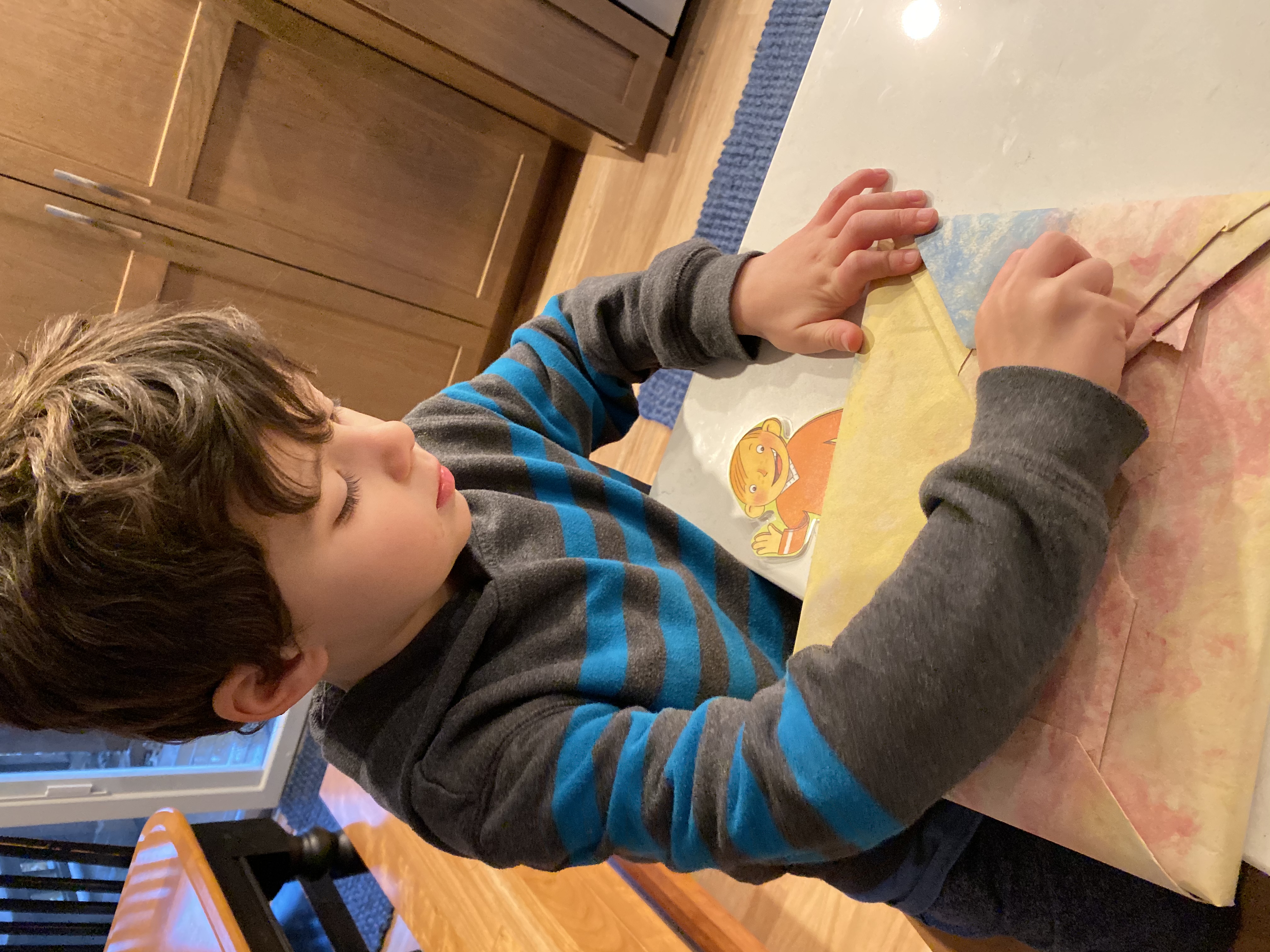
Child participating in a home-based learning activity
Child participating in ABA therapy with a provider
Whole Child & Family Support Goals connected to everyday environments, routines, and meaningful participation.
SERVICE Individualized ABA Therapy
SETTINGS Home • School • Community • Clinic
AREA Bergen County, New Jersey
APPROACH Whole Child & Family Support
01
Understanding ABA

Support built around the individual.

Applied Behavior Analysis, or ABA, is an individualized approach used to support meaningful skills and behaviors across everyday environments.

At WINGS, programming is developed around each individual's needs, strengths, goals, routines, and environments rather than using a one-size-fits-all approach.

The WINGS team includes BCBAs, RBTs, ABA therapists, and collaborating professionals who work together to support children, young adults, and families.

Meaningful Participation

Goals can focus on communication, learning, independence, social participation, self-help, and other skills connected to everyday life.

Individualized Goals

Services are shaped around the individual, their environment, their current needs, and priorities identified with the family.

Areas of Support

Goals connected to everyday life.

Individual goals vary from person to person. ABA programming may focus on a range of functional, social, communication, learning, and independence skills.

01

Communication & meaningful participation

Supporting functional communication, expressing needs, requesting, participation, flexibility, and interaction within everyday routines.

Communication Requesting Participation Social Interaction
02

Daily Living

Supporting self-help, routines, personal independence, and everyday participation.

03

Learning Skills

Supporting attention, academic readiness, participation, and individualized learning goals.

04

Play & Leisure

Supporting engagement, play, leisure skills, choice-making, and meaningful activities.

05

Community & Job Readiness

Supporting community participation, independence, and individualized readiness skills.

Where Support Happens

Skills can be practiced where everyday life happens.

Depending on the individual's program and needs, WINGS support may take place across several environments.

01

Home

Everyday routines, independence, family activities, and functional skills.

02

School

Participation, individualized learning, behavior, and school routines.

03

Community

Functional skills practiced within natural community environments.

04

Clinic

Structured environments for individualized programming and skill development.

Child participating in a home-based learning activity with an adult
Natural Environment

Home-Based Support

Home-based programming can connect goals with everyday routines, family activities, independence, communication, and other meaningful skills within the individual's natural environment.

Practicing skills where they are naturally used can help connect individualized programming with everyday family life.
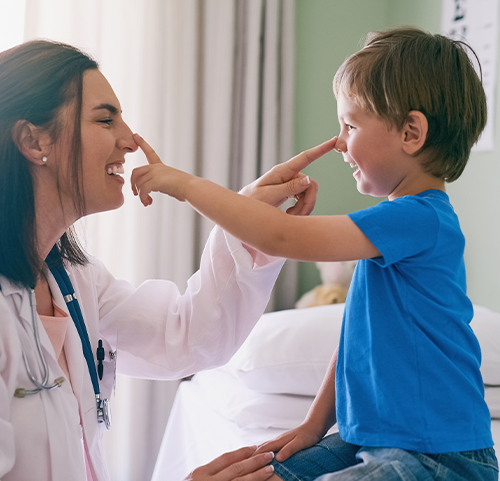
Child participating in clinic-based therapy
Structured Environment

Clinic-Based Support

WINGS clinic environments provide structured opportunities for individualized programming, social participation, learning, and skill development.

Clinic-based services can also provide opportunities for structured activities, interaction, and individualized support within a dedicated setting.

The WINGS Approach

Individualized from the beginning.

Each person's support plan is shaped around individual needs, goals, environments, and family priorities.

01
Connect

Start with the family.

Families begin by contacting WINGS and sharing information about current needs and the services they are exploring.

02
Review

Understand the next steps.

The team reviews relevant information, insurance considerations, and potential next steps for services.

03
Individualize

Build around meaningful goals.

Programming is developed around individual strengths, needs, environments, routines, and meaningful areas of support.

04
Collaborate

Connect across environments.

WINGS works with families and collaborating professionals to support continuity across relevant environments.

Collaborative Care

Different disciplines working together.

WINGS ABA Therapy collaborates with Garden State Speech Therapy's speech-language pathologists and occupational therapists as part of its integrated approach to supporting the whole child and family.

Visit Garden State Speech Therapy →

Speech and communication therapy
Whole-child collaboration Behavioral, speech-language, and occupational therapy professionals working across connected goals.
Bergen County, New Jersey

Explore WINGS locations.

Learn more about WINGS ABA Therapy in Paramus, Westwood, and Ridgewood.

Next Steps

Interested in ABA therapy at WINGS?

Learn more about intake, insurance, available services, and how to connect with the WINGS team.

ABA Therapy Questions

Helpful information for families.

A starting point for learning more about ABA therapy and services through WINGS.

What skills can ABA therapy support?
Individual goals vary. ABA programming may support communication, social interaction, learning, self-help, daily living, play, leisure, community participation, job-readiness, and other individualized goals.
Where can WINGS ABA services take place?
Depending on the individual's program and needs, support may take place across home, school, community, and clinic environments.
Does WINGS provide clinic-based ABA therapy?
WINGS provides clinic-based programming as part of its broader range of behavioral and developmental support services.
Does WINGS provide home-based support?
Depending on the individual's needs and program, WINGS services may include support within the home and other natural environments.
Does WINGS collaborate with speech and occupational therapy?
WINGS collaborates with Garden State Speech Therapy's speech-language pathologists and occupational therapists as part of its integrated approach.
How do I begin ABA services?
Visit the Get Started page to learn more about intake, insurance information, and how to contact the WINGS team regarding services.